For 86% of job seekers, social media is a key resource in finding employment. This makes it a powerful asset in any recruitment process. Over the last decade, employers have increasingly embraced social media platforms to connect with top talent, strengthen their employer brand, and stay ahead in today’s competitive hiring landscape.
This shift has impacted many aspects of the recruitment process, both in clear and subtle ways. In this blog post, we’ll dive into these changes and explore how social media continues to reshape hiring strategies.
The Rise of Social Media in Recruitment
The spread of hiring through social media didn’t happen in a vacuum, it was a result of necessity, technology, and cultural shifts blending at just the right moment. As more people began using platforms like LinkedIn, Facebook, and even TikTok for everyday interactions, companies saw an opportunity.
It began subtly. A few tech startups started sourcing from LinkedIn, while creative agencies browsed Instagram for design talent. Then, larger enterprises followed suit. Today, it’s hard to find an HR department that doesn’t incorporate social media into its recruitment strategy.
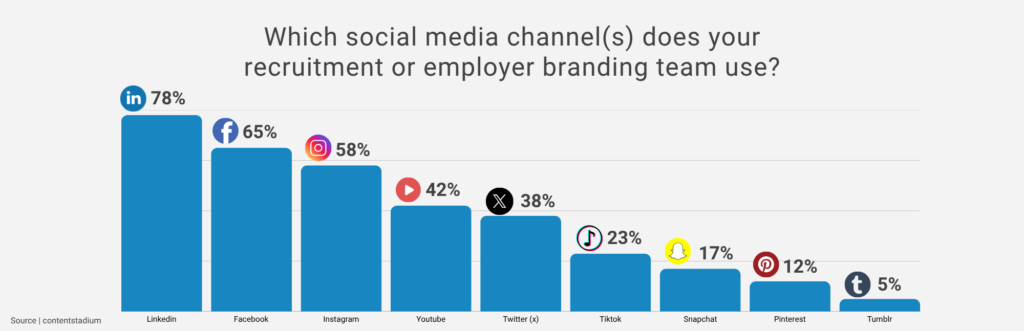
With millions of active users across these platforms, companies quickly realized they could reach far beyond traditional job boards. Social media allowed them to tap into global talent pools, attract more diverse candidates, and craft employer brands that resonate with value-driven, modern professionals.
Digital Identity as a Recruitment Asset
Employer branding is how a company presents itself as a desirable workplace. It includes everything from showcasing employee stories and achievements to communicating values, benefits, and work-life balance. It’s about creating a consistent image of the company’s culture and mission in a way that attracts the right talent. Companies with a strong employer brand on social media can see up to 50% more qualified applicants and reduce the time to hire by up to 2x, turning branding into a critical lever for faster, more efficient recruiting.
A company’s presence on digital platforms, specifically social media, plays a major role in shaping candidate perception. A vibrant, engaging social media profile reflects a company’s values and culture and often determines whether top talent chooses to apply. From behind-the-scenes office content to stories about social impact, organisations are curating an online identity that speaks directly to their ideal candidates.
Optimised Job Ads Targeting on Social Media
Optimised job ad targeting uses advanced audience filters and behavioral insights to ensure your job postings reach the right people on platforms like LinkedIn, Facebook, Instagram, and Twitter. Instead of casting a wide net, this strategy narrows the audience to those most likely to be qualified and interested, making your recruitment efforts more efficient and effective. When done right, optimised targeting leads to:
Better Candidate Fit
Reach individuals whose skills, interests, and location align with your role.
Lower Cost Per Hire
Reduce wasted spending by avoiding irrelevant impressions.
Faster Hiring Cycles
Attract motivated, ready-to-engage job seekers instead of passive browsers.
Increased Employer Brand Visibility
Get in front of the right audience, even if they’re not applying yet.
Reduced Recruiter Overload
Fewer unqualified applications mean more time focused on top candidates.
Example: A mid-sized tech company is looking to hire a Marketing Manager based in New York City. Instead of posting a generic job ad to a broad audience, the recruitment team uses optimised targeting on LinkedIn. They filter the ad to reach professionals with job titles like “Marketing Specialist,” “Content Strategist,” and “Digital Marketing Manager,” who have 5–8 years of experience, live within 25 miles of NYC, and follow similar companies or work in related industries.
Recruiter-Generated Content and Engagement
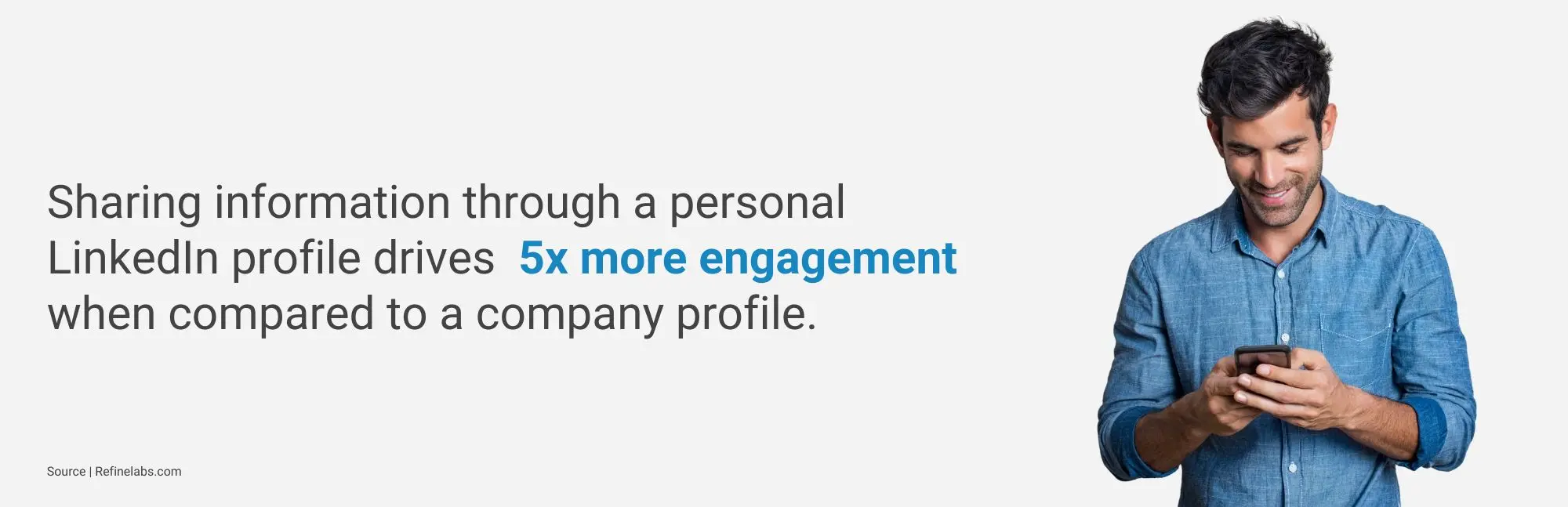
Candidates often feel more comfortable engaging with a recruiter’s post than a corporate brand account because it feels more personal and authentic. It invites conversation, fosters trust, and helps build relationships, not just applications.
Employer Reviews on Social Media
Sites like Glassdoor, Indeed, and Blind have become essential tools for job seekers researching potential employers. Today, a company’s reviews can significantly impact a candidate’s interest even before they visit the careers page.
Recognising this, savvy employers are turning to social media to proactively shape public perception. They address concerns, highlight positive feedback, and share authentic employee success stories to provide a more balanced view of the workplace experience.
Employer reviews on these platforms have shifted the power dynamic in hiring. Recruitment is now more transparent, more candidate-driven, and, ultimately, more accountable.
Global Talent Acquisition Made Easier
Before social media, hiring overseas meant dealing with agencies, paperwork, and long timelines. Now, it can start with a single message.
Tools like Nova Smart NG’s recruitment module make global hiring easier than ever by allowing companies to publish job posts across multiple job boards and social media platforms simultaneously. This enables instant connections with professionals worldwide. As a result, organisations can build distributed teams, access untapped talent markets, and bring in diverse skillsets with greater speed and efficiency.
Legal and Ethical Aspects of Social Recruiting
As social media recruiting becomes more common, so does the need to navigate its legal and ethical boundaries responsibly. While platforms like LinkedIn, Facebook, Instagram, and Twitter provide recruiters with unprecedented access to talent, they also introduce challenges related to privacy, bias, discrimination, and compliance.
To recruit ethically, it’s essential to respect candidate boundaries. A public profile does not automatically grant permission for deep scrutiny especially on personal platforms like Instagram or Facebook. Recruiters should clearly distinguish between professional and personal spaces.
Equally important is separating personal bias from professional judgment. A candidate’s political views, lifestyle choices, or appearance should not influence hiring decisions unless those behaviors directly violate company policies or core values. Maintaining this distinction helps ensure a fair, respectful, and inclusive recruitment process.
In summary, social media hasn’t just influenced recruitment, it completely reshaped it. It’s made it easier for companies to reach the right people, tell their story, and hire across borders. At the same time, candidates have more visibility and control than ever before. What used to be a one-sided process is now a conversation and social media is where that connection begins.